 Loan, Personal Loan, Home Loan, Business Loan,Loans in India Loan in India, Personal Loan, Home Loan, Business Loan, Loans in India,Loan Finance,Loan in India, Get Instant Personal Loan,Home Loan, Business Loans in India
What Is High Quality Platform? Services and Benefits Explained
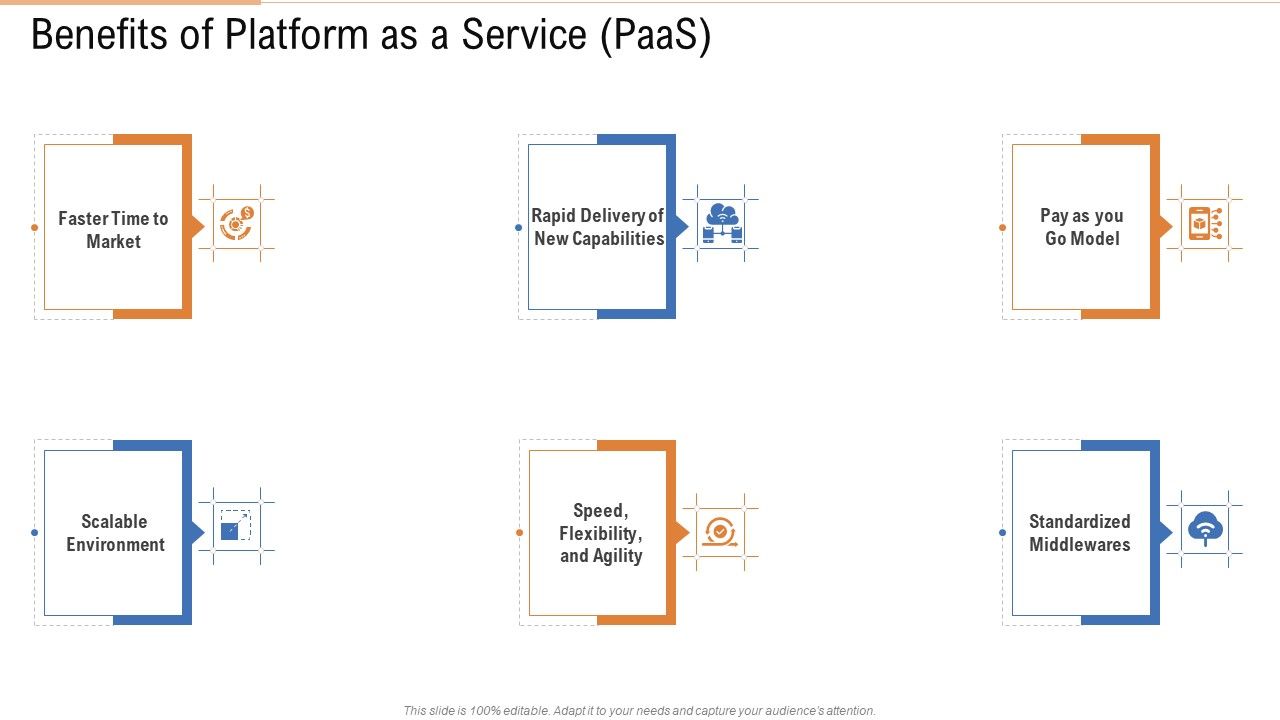
Choose a platform that guarantees at least 99.9% uptime. This measurable commitment translates to less than nine hours of potential unplanned downtime annually, protecting your revenue and user trust from unexpected outages. A reliable foundation is non-negotiable; it is the bedrock upon which every other service and benefit is built.
Beyond raw availability, superior platforms provide robust security without demanding constant manual oversight. They integrate automated threat detection, regular penetration testing, and DDoS mitigation directly into their infrastructure. This proactive approach safeguards sensitive data, ensuring compliance with standards like GDPR and SOC 2, so your team can focus on development rather than patching vulnerabilities.
The real acceleration comes from integrated tools that streamline workflows. A high-quality service offers seamless CI/CD pipelines, real-time performance monitoring dashboards, and autoscaling that responds to traffic spikes within seconds. These features cut deployment cycles from days to minutes and optimize resource allocation, directly reducing operational costs while improving application responsiveness for your end-users.
What is a high quality platform: services and benefits
A high-quality platform provides a robust, secure, and intuitive environment that connects users and services, removing friction and accelerating progress. It offers clear, immediate value through a suite of integrated tools.
Core Services You Can Expect
You gain access to enterprise-grade security protocols like end-to-end encryption and multi-factor authentication by default, not as a paid extra. The platform manages automatic, non-disruptive updates, ensuring you always use the latest features without manual intervention.
Integrated analytics dashboards translate user data into clear insights, showing performance metrics and user behavior patterns. Reliable, scalable cloud infrastructure handles traffic spikes, maintaining performance during demand surges without extra configuration on your part.
Direct Benefits for Users and Businesses
This integrated approach saves an average of 15-20 hours per month on administrative tasks by automating workflows and centralizing communication. Reduced operational complexity allows smaller teams to manage projects typically requiring more resources.
Built-in compliance tools help adhere to regulations like GDPR or HIPAA, significantly reducing legal risk. The network effect within the platform creates new opportunities, connecting you with partners and clients you wouldn’t reach otherwise.
You can deploy new services faster, with some businesses reporting a 40% reduction in time-to-market for digital initiatives. This environment supports sustainable growth, allowing you to expand your usage and capabilities without switching systems.
Core technical components of a reliable platform
A robust platform rests on a foundation of automated infrastructure management. Use Infrastructure as Code (IaC) tools like Terraform or Ansible to define and provision resources. This eliminates manual configuration errors, ensures environment consistency from development to production, and allows for rapid, repeatable scaling.
This automated infrastructure seamlessly supports a microservices architecture. Structure your application as a collection of small, independent services. This design allows individual components to be updated, scaled, and deployed without causing system-wide downtime, significantly boosting development speed and resilience.
To manage these distributed services effectively, implement a dedicated service mesh like Istio or Linkerd. It handles service-to-service communication, security via mTLS, and observability, providing a clear view of traffic flow and performance across all microservices.
Comprehensive observability is non-negotiable. Integrate tools for logging (e.g., ELK stack), metrics (e.g., Prometheus), and tracing (e.g., Jaeger). Correlating this data provides deep insight into system behavior, enabling you to preemptively identify bottlenecks and resolve incidents before they impact users on https://highqualityplatform.com/.
Data integrity is managed through thoughtful database selection. Employ a polyglot persistence strategy, using different database technologies suited to specific data patterns. Combine SQL for transactional integrity with NoSQL for scalability, and ensure all data operations are atomic, consistent, isolated, and durable (ACID) where required.
A global Content Delivery Network (CDN) is critical for performance. It caches static assets at edge locations geographically closer to users, drastically reducing latency and serving content even if your primary origin experiences a spike in traffic or a partial failure.
Finally, enforce strict security protocols at every layer. Implement mandatory mutual TLS for all internal service communication, regular automated vulnerability scanning of your codebase and dependencies, and a fine-grained identity and access management (IAM) system to control permissions based on the principle of least privilege.
How businesses gain a competitive advantage by using a robust platform
Adopt a platform that integrates your sales, service, and marketing data into a single source. This consolidation eliminates departmental data silos, giving your team a complete 360-degree view of every customer interaction. You can then identify upsell opportunities 18% faster and personalize marketing campaigns based on actual purchase history, not assumptions.
Accelerate Development and Innovation
Utilize built-in tools like serverless computing and pre-built AI models to reduce software development time by up to 40%. Your developers can focus on creating unique features for your customers instead of managing underlying infrastructure. For example, a retail company can deploy a custom product recommendation engine in weeks, not months, using a platform’s machine learning APIs.
Scale your operations instantly to handle traffic spikes without any service degradation. A robust platform automatically allocates computing resources during peak demand, ensuring a smooth customer experience during sales events or product launches. This reliability directly translates to protected revenue and sustained customer trust.
Make Decisions with Real-Time Intelligence
Transform raw data into actionable insights with integrated analytics dashboards. Monitor key performance indicators like customer acquisition cost and lifetime value as they change. One logistics firm used live data streams to optimize delivery routes, cutting fuel costs by 12% and improving delivery time accuracy.
Choose a platform with a global network of data centers to ensure low-latency access for your international users. This infrastructure provides a faster, more reliable experience for customers regardless of their location, which can increase international conversion rates by over 15%.
FAQ:
What are the most important characteristics of a truly high-quality platform service?
A high-quality platform service is defined by several core characteristics. Primarily, it must be reliable, with minimal downtime and consistent performance under varying loads. Security is non-negotiable, requiring robust measures to protect user data and ensure privacy. The platform should also be scalable, allowing businesses to easily adjust resources as their needs change without service interruption. Finally, a clear and predictable pricing model is a key characteristic, preventing unexpected costs and ensuring good value for the services rendered.
How can a business measure the actual value it gets from using a platform service?
Businesses can measure value through several concrete metrics. First, calculate the Total Cost of Ownership (TCO) reduction by comparing the costs of maintaining in-house infrastructure (servers, IT staff, physical security, software licenses) against the platform’s subscription fees. Second, track productivity gains: how much faster new applications are deployed or how much less time developers spend on maintenance. Third, monitor business metrics like improved website uptime, faster page load speeds for customers, and the ability to handle traffic spikes during promotions. The real value is the sum of these cost savings and performance improvements.
Beyond basic cost savings, what are some less obvious advantages of a good platform?
While cost reduction is a major benefit, superior platforms offer strategic advantages. A significant one is accelerated innovation; by handling complex infrastructure management, the platform frees up developer time and resources to focus on building unique features for customers instead of maintaining backend systems. It also enhances business continuity and disaster recovery, as reputable platforms have built-in data redundancy across multiple geographic locations, which is often too costly for a single company to implement on its own. This built-in resilience protects against data loss and service interruptions.
Are there specific security features we should look for when evaluating a platform service?
Yes, certain security features are critical. Look for providers that offer strong data encryption, both for data being transferred and for data at rest. Check for compliance certifications like SOC 2, ISO 27001, or GDPR compliance, which indicate an independent audit of their security practices. A clear and detailed shared responsibility model is also necessary; this document defines what security the provider manages (physical security of data centers, hypervisor security) and what remains your responsibility (securing your applications, access management). Regular security patches and transparent reporting on incidents are also indicators of a secure platform.
Reviews
Christopher Lee
Ugh, can we stop overcomplicating this? A good platform is one that doesn’t make me think. If I have to watch a tutorial to figure out how to send a message or find a button, it’s trash. It should just work, like my favorite apps. I don’t care about the tech behind it. If it’s slow or crashes, nothing else matters. The biggest benefit is that it lets me do what I want fast, without annoying ads popping up every two seconds. And the design has to be cute, obviously. If it looks ugly, I’m out. Nobody wants to use something that looks like it’s from 2005. Keep it simple and pretty. That’s it.
David Clark
A platform’s true quality shines when it feels effortless. It’s that rare confidence knowing the tech just works, freeing you to focus on your actual work. The best services aren’t just tools; they’re reliable partners that handle complexity behind the scenes. They offer clarity without oversimplifying power, and support that actually helps. That’s the quiet luxury of a system built with genuine insight.
Emma Wilson
Another vapid promotional piece disguised as thought leadership. The entire premise is a circular argument: a “high-quality” platform is defined by listing generic “benefits” that are themselves just synonyms for quality. It’s a content tautology designed to sell you a solution before you’ve even identified a problem. They’ll prattle on about “scalability” and “seamless integration” without a shred of irony, ignoring the reality that most of these services are clunky, overpriced cages that lock you into their ecosystem. The real benefit is for the platform provider, who gets a recurring revenue stream while you handle the actual work of making their system function. It’s a masterclass in selling the sizzle of a steak that you still have to cook and pay for monthly.
Ava Thompson
So we’re supposed to just trust them with our data and pay more for “premium” features that should be standard? When has a platform ever really put our interests above their own profits? What actual proof do we have that this isn’t just another empty promise to lock us in?
Olivia Johnson
Love how this breaks down what actually makes a platform worth using! It’s not just a list of features, but how everything works together so you don’t have to stress. That point about integrations feeling seamless instead of like a chore is so true. And yes—reliable support that actually fixes things? That’s the dream. Really makes you think about what you’re really paying for!
PhantomRider
What specific measurable outcomes do you prioritize when evaluating a platform’s service quality? Is it the tangible reduction in operational latency, the seamless integration capabilities with existing legacy systems, or perhaps the transparent, predictable cost structure that avoids hidden scaling fees? I’m curious what benchmarks others use to define true value beyond the basic feature lists.